




































by Lori Solomon
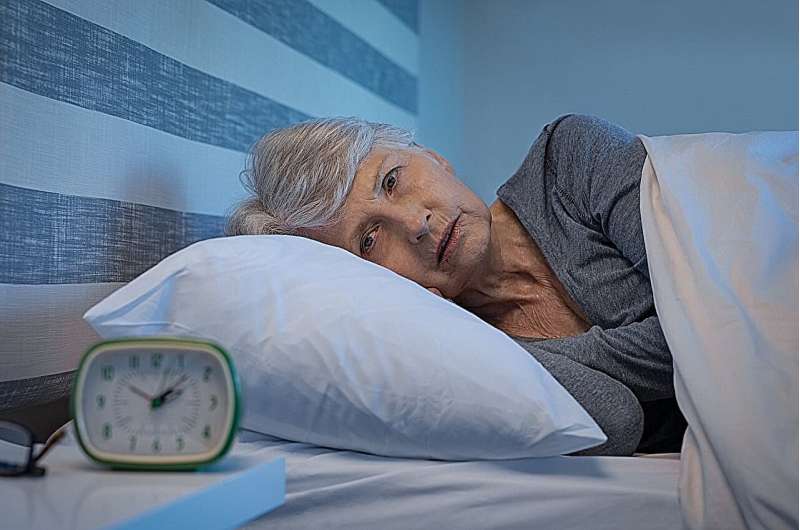
Long-term breast cancer survivors have a higher risk for developing depression, particularly if they have insomnia, according to a studypublishedonline Oct. 10 inSLEEPJ.
Michael R. Irwin, M.D., from the University of California, Los Angeles, and colleagues examined the incidence of depression and whetherinsomniaexaggerates depression risk in long-term breastcancersurvivors. The analysis included 310 female breast cancer survivors (aged 55 to 85 years), at least two years postdiagnosis, and 309 aged-matched controls followed for 32 months.
The researchers found that the risk for depression was higher among breast cancer survivors than controls (hazard ratio, 5.94). Insomnia (defined as ≥8 on the Insomnia Severity Index) further increased depression risk among breast cancer survivors (hazard ratio, 9.91), but not among controls.
"Older adult, long-term breast cancer survivors show an increased likelihood of depression as compared to those without cancer," the authors write. "Given that insomnia is a priority target for selective depression prevention, direct evidence of the effectiveness of insomnia treatment in the prevention ofdepressionin breast cancer survivors is needed."
© 2025HealthDay. All rights reserved.
More information: Michael R Irwin et al, Insomnia and Elevated Risk of Major Depressive Disorder in Older Adult, Long Term Breast Cancer Survivors vs. a Matched Cohort, SLEEPJ (2025). DOI: 10.1093/sleep/zsaf322










Post comments