




































by JMIR Publications
Credit: Unsplash/CC0 Public Domain
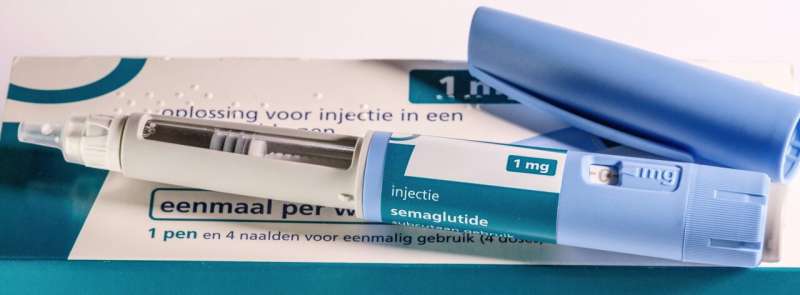
A News and Perspectives report on emerging pharmaceutical access models in the United States has been published in theJournal of Medical Internet Research. In "Affordable GLP-1? When Digital Platforms Meet Policy Reform", aJMIRCorrespondent Xiangming Jenny Zhan investigates how a convergence of federal policy, manufacturer-led digital distribution, and telehealth integration has drastically lowered the cost of GLP-1 medications outside the traditional insurance system.
Shifting access
Up until recently, GLP-1 medications like semaglutide and tirzepatide remained largely out of reach for patients without generous insurance coverage, costing upwards of $1000 to $1349 USD per month, reports Zhan.
However, in early 2026, prices dropped below $350 USD due to three distinct forces: federal Most-Favored-Nation pricing deals, the launch of direct-to-consumer platforms by pharmaceutical manufacturers like Novo Nordisk and Eli Lilly, and the integration of GLP-1 prescribing into telehealth startups and mainstream retail. These forces culminated in the launch ofTrumpRx.gov, a federal platform connecting cash-paying patients to reduced medication prices.
The continuity problem
While lower prices have expanded access, sustaining treatment remains a significant challenge. Because this new cash-pay model operates entirely outside the insurance system, purchases do not count toward deductibles or out-of-pocket maximums, leaving patients who need indefinite treatment without financial protection.
Furthermore, the foundation of some direct-to-consumer platforms remains uncertain, as leading telehealth providers faceFDA shipping restrictionsand patent infringement lawsuits over lower-cost compounded GLP-1 products.
Broader implications
Though continuity remains an issue, this access model has the potential to expand beyond GLP-1s to other chronic condition treatments, including$25 monthly insulinand heavily discounted COPD inhalers—potentially reshaping how Americans access treatment.
"GLP-1s are, in effect, a test case for whether a viable access pathway for chronic disease medications can be sustained outside the insurance system," Zhan writes. Ultimately, the long-term success of this model will depend on whether this digital infrastructure can support continuous care.
Publication details Zhan XJ. Affordable GLP-1? When Digital Platforms Meet Policy Reform, Journal of Medical Internet Research (2026). DOI: 10.2196/102069 Journal information: Journal of Medical Internet Research









Post comments