





























by Charlotte Ganderton, Joshua Heerey,The Conversation
Credit:Yan Krukau/Pexels
You can feel hip pain at any stage of life, including childhood, young adulthood and the middle years.
This can come as a surprise; many people associate hip pain with old age. It can strike fear into the hearts of those in their 40s or 50s, who may suddenly wonder if old age—or even a hip replacement—may be on the horizon much sooner than expected.
The good news is only a minority of people with hip pain will have something medically concerning or actually need surgery. Surgery should only be considered after doing a comprehensive rehabilitation exercise program.
There are lots ofcomplex underlying reasonsfor hip pain, and there may be plenty you can do before you start jumping to conclusions about needing surgery.
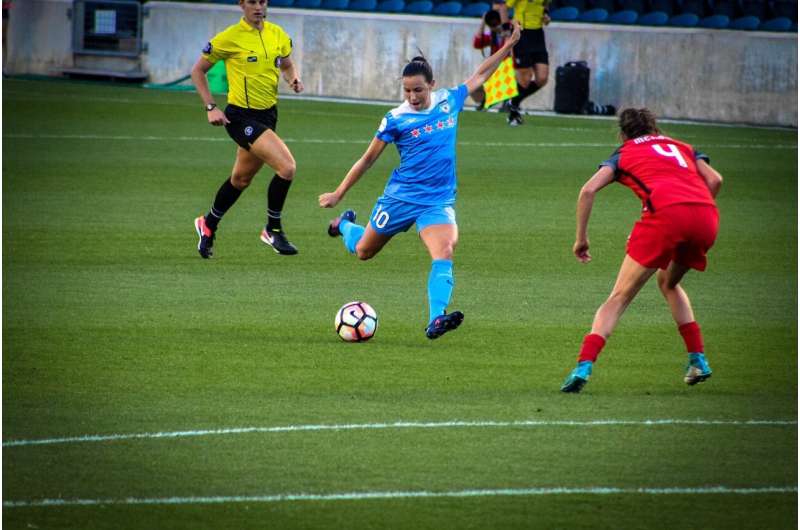
In young boys and men, a condition known asfemoroacetabular impingement syndromeis a common cause of hip pain. This is particularly true for those who play sports (such as football) where you need to change direction quickly and often.
Thisconditionis caused by a bigger hip ball (also known as the femoral head) or the hip socket (the acetabulum).
This may cause pain at the front or side of the hip. The pain may get worse during movements that involve the knee coming towards the chest (such as a squat) or trending across the middle of the body (such as sitting cross-legged).
In young girls and women,hip dysplasiais particularly common.
This happens when the hip socket does not fully cover the ball of the joint. The hip can move too much, and may cause pain at the front, side or back of the hip.
However,excessive hip movementcan also be caused when the connective tissue (such as the ligaments and hip capsule) get too elastic or stretchy.
Some people—such as performing artists, yogis and swimmers—may thrive on having more mobility for their artistry and sporting pursuits, but they need to be strong enough to control their excessive motion.
Because people with increased mobility are at risk ofinjury, it is important to maintain hipmuscle strengthto support the hip joint.
In middle-aged adults and older people, the most common causes of hip pain are osteoarthritis andgluteal tendinopathy.
People with osteoarthritis often experience hip pain and stiffness, and may find it hard to reach down andput on shoes and socks.
People withgluteal tendinopathymight experience pain on the outside of their hip and have problems with lying on their side, climbing stairs or standing on one leg.
Well, it's fundamentally about quality of life.
Does your hip pain make it hard to do social or community activities, perform daily tasks, or stay active? If so, then yes—you're right to be concerned about your hip pain.
However, most hip conditions can be well managed with non-surgical treatments, such as exercises or stretches prescribed by a physical therapist, doctor or other health-care professional. You may find you're soon back to taking those long strolls in the park.
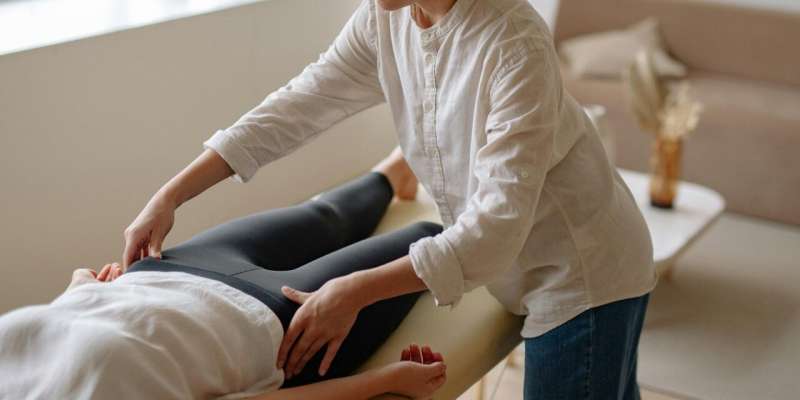
Whether your hip is too stiff or too mobile, start by seeking a thorough clinical examination from a trained and registered doctor or health care professional (such as a physical therapist).
They may ask you to get some scans to help diagnose the cause of yourhip pain. In most cases, an X-ray is used to understand the shape of the bones that form the hip joint and check for osteoarthritis. In some people, an MRI is ordered to get a more detailed understanding of the different components of the hip joint. However, it is important to remember something might show up on an MRI even inpeople without pain.
Hip pain can often be managedwith or without surgery.
If you do end up needing surgery, it's worth knowing there are lots of different types of surgical treatments. The most common are hip arthroscopy (keyhole surgery) and hip replacement. For many people, though, non-surgical treatments are effective.
These might include:
In most cases, it'srecommended to try non-surgical treatmentsfor at least three months to see if they help reduce pain and improve hip function before considering surgery.
Whatever you do, stay active. And remember strongbum muscles are importantto maintaining healthy hips, so try to find ways to keep your glutes strong.
This article is republished fromThe Conversationunder a Creative Commons license. Read theoriginal article.
Key medical concepts Osteoarthritis, Hip Femoracetabular Impingement Arthroplasty, Total Hip







Post comments