
































Provided by Annenberg Public Policy Center of the University of Pennsylvania
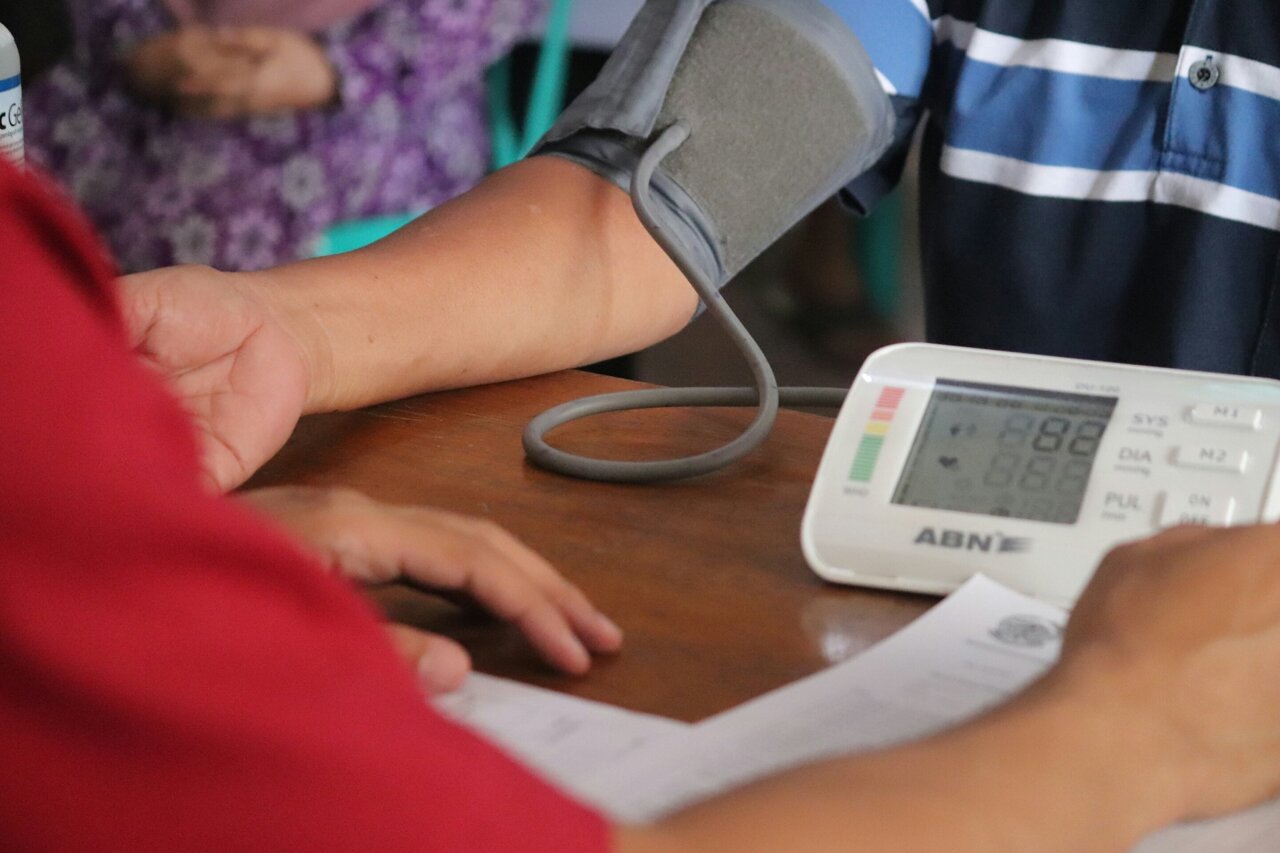
Credit: Unsplash/CC0 Public Domain
Having high blood pressure is associated with greater intentions to follow doctors' recommendations to take medication but lower intentions to make recommended lifestyle changes than among people without high blood pressure, according to a new study published in Hypertension.
Researchers at three universities, including the Annenberg Public Policy Center (APPC) of the University of Pennsylvania, also found that beliefs traditionally used to explain health behaviors better predicted intentions to take medication than intentions to adopt healthier habits such as exercising, maintaining a healthy weight, eating a nutritious diet and reducing salt intake.
The findings suggest that while patients being treated for hypertension recognize the importance of medication more than people without hypertension, motivating patients to make additional lifestyle changes may require approaches that address factors beyond traditional health beliefs. Having a hypertension diagnosis was associated with lower intentions to follow physicians' or health care providers' recommendations to make lifestyle changes, even after accounting for intentions to take medication.
"Medication and lifestyle changes are both essential components of treatment for hypertension, but our findings suggest they may be driven by different psychological processes," said lead author Yotam Ophir, associate professor of communication at the University at Buffalo, State University of New York, and an APPC distinguished research fellow. "People appear more willing to follow their physician's recommendations to take medication after they've been diagnosed—especially if they are worried about their hypertension diagnosis—or if they believe the behavior to be beneficial. In contrast, a diagnosis reduces intentions to make the lifestyle changes that are also critical for controlling blood pressure."
The researchers used the Health Belief Model, a longstanding framework for understanding health behavior, to evaluate how perceptions of personal risk, disease severity, treatment benefits and barriers to communication with health care providers influenced treatment intentions among a nationally representative sample of 1,398 U.S. adults.
Key findings
The Health Belief Model predicted intentions to take medication two to three times better than intentions to adopt healthier lifestyles.
A hypertension diagnosis was associated with lower intentions to make helpful lifestyle changes. Even after accounting for respondents' willingness to take medication, people diagnosed with high blood pressure reported weaker intentions to follow physicians' recommendations to improve diet, exercise regularly, maintain a healthy weight and reduce salt intake.
Communication with health care providers matters. In most cases, respondents who reported greater barriers to discussing health information with their physicians were less likely to report intending to follow recommendations to take medication or make lifestyle changes.
High blood pressure affects more than 100 million adults in the United States and about 1 billion adults worldwide. Known as a "silent killer" because it often shows no symptoms, uncontrolled hypertension can damage the heart, brain, kidneys and eyes. Medical guidelines recommend medication, when appropriate, and healthy lifestyle behaviors to reduce blood pressure and lower the risk of cardiovascular disease.
Co-author Patrick E. Jamieson directs APPC's Annenberg Health and
Risk Communication Institute, which oversees the Annenberg Science and Public Health survey, the source of the study data. "Future research," Jamieson noted, "can give us a better understanding of how to increase the likelihood that people will engage in healthy lifestyle changes."
More information: Yotam Ophir et al, Hypertension Treatment Intentions: A Health Belief Model Analysis, Hypertension (2026). DOI: 10.1161/hypertensionaha.126.27210






Post comments