




































byThe City University of New York
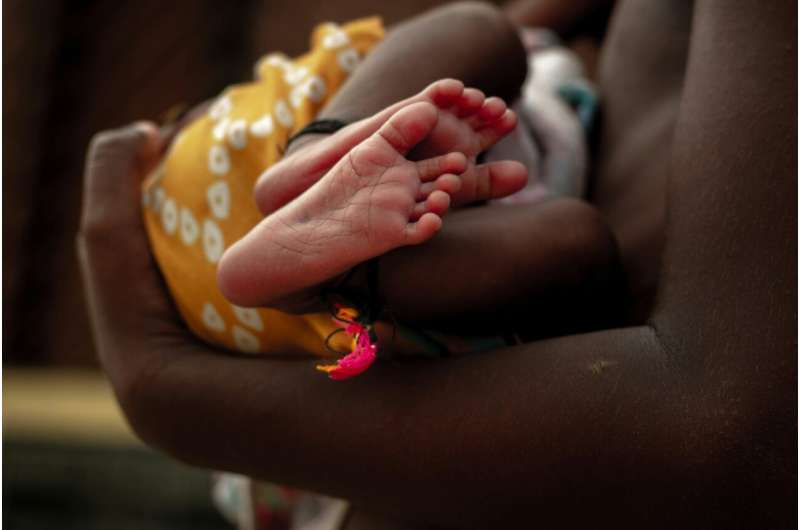
Credit: Unsplash/CC0 Public Domain
In an articlepublishedinThe Lancet HIV, authors including Distinguished Professor Denis Nash and Professor Constantin Yiannoutsos aim to provide the most comprehensive estimates of pediatric mortality among children and adolescents receiving antiretroviral therapy (ART) across the world.
Thesystematic reviewshowed a steady decline in on-ART mortality from 2000 to 2020, particularly forolder childrenand those who began treatment with higher CD4 cell counts. However, the first six months after ART initiation remain the most vulnerable period, especially for infants and those diagnosed late. Regional differences, though narrowing, persist, with central sub-Saharan Africa showing the highest mortality for children under 5 years old.
Major challenges remain: approximately 44% of children with HIV do not access ART, and children account for 12% of the 630,000 AIDS-related deaths globally, a disparity driven by missed diagnosis and treatment. New neonatal ART dosing strategies and interventions could help close these gaps, and ongoing studies are shaping global guidelines and future research directions. However, efforts are hampered by recent reductions in global foreign aid.
"These persistent challenges have likely been greatly exacerbated by the recent withdrawal of U.S. global aid support, which impacts staffing, testing availability, and the drug supply," says Nash. "It is critical to identify implementation strategies that expand early infant diagnosis for HIV and minimize treatment dropout, particularly in areas with substantial rates of perinatal HIV transmission that can occur in utero, during childbirth, and during breastfeeding."
More information: Jiawei He et al, HIV-related mortality time trends among children and young adolescents on antiretroviral therapy by age, treatment duration, and region: a systematic review and meta-regression analysis, The Lancet HIV (2025). DOI: 10.1016/s2352-3018(25)00168-7 Journal information: The Lancet HIV
Provided by The City University of New York









Post comments