




































by Melanie Cree,The Conversation
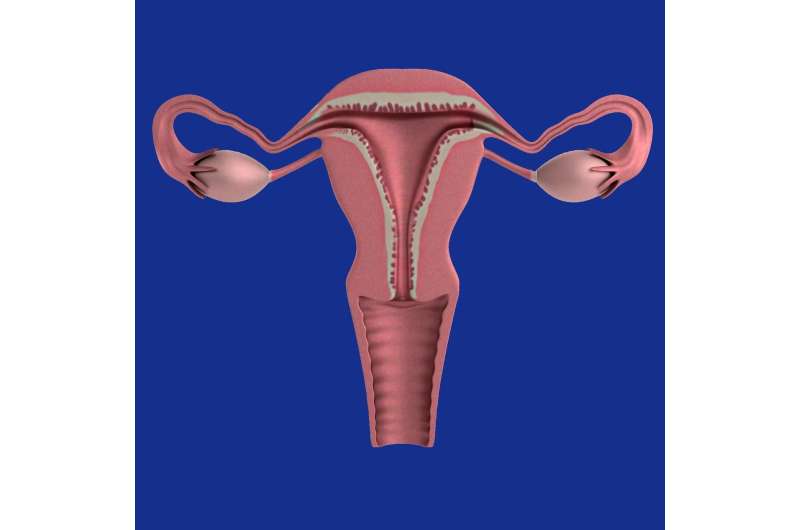
Credit: CC0 Public Domain
A disease's name can have a significant influence on its diagnosis and treatment—or lack thereof. Polycystic ovary syndrome, or PCOS, is a condition that affects millions of people worldwide. For decades, doctors thought the condition mostly affected the ovaries, but its misleading name has left many people undiagnosed and at risk of developing several related chronic conditions at a young age.
In a study published inThe Lancet, an international team of researchers and health professionals formally announced the renaming of the condition topolyendocrine metabolic ovarian syndrome, or PMOS. Dr. Melanie Cree, a pediatric endocrinologist at the University of Colorado Anschutz, was part of the team behind the renaming.
The Conversation asked Dr. Cree to guide readers through this decade-long renaming process and explain what this renaming means for the future of PMOS care.
What is PMOS?
Polyendocrine metabolic ovarian syndrome, or PMOS, is a condition that affects many parts of the body—hormones, metabolism, mental health, skin and the reproductive system. The signs and symptoms of this complex condition often start in the teenage years and continue after menopause.
PMOS affects approximatelyone in eight women globally, amounting to over 170 million women worldwide. However, it is estimated that70% of women with PMOS may not knowthey have this condition.
Most people with PMOS havehigher insulin levelsthan those without the condition, and this contributes to worse metabolic disease, including Type 2 diabetes, high cholesterol, high blood pressure, excess liver fat, weight gain and obstructive sleep apnea.
A 2025 study of over 87,000 women in the United States found that more than 45% of those with PMOShad a metabolic disease diagnosis—such as prediabetes, diabetes, high blood pressure or high cholesterol—compared to around 25% of those without PMOS. Additionally, over 16% of those with PMOS had problems getting pregnant, compared to under 4% of those without PMOS.
Why change PCOS to PMOS?
Aglobal call from patients and health professionalsstarted in 2015 to establish a more accurate and appropriate name for the condition. The previous name, polycystic ovarian syndrome, or PCOS, isimprecise and confusingto patients, families and physicians.
Theaverage time to diagnosistakesmore than a yearand often requires visits to multiple providers, in part due to confusion around the condition's name.
A 2015 study found that85% of patients thought ovary cystswere the primary feature of the condition. The old nameoveremphasized the role of the ovaryin this condition and did not describe how PMOS can affect many body systems. There is no increase in abnormal cysts on the ovary, only partly developed eggs—which form a fetus when its mature form is fertilized by sperm—that can look like cysts.
Confusion over the signs and symptomsof PMOS has contributed to not only delayed diagnosis and fragmented care but also stigma and anxiety about the condition and disengagement with care.
What was the process to change the name?
Over the course of 10 years, aninternational team of health professionals and researchersand I discussed renaming PCOS. Our expertise spanned various disciplines, including obstetrics and gynecology, endocrinology, pediatrics, dermatology, radiology, primary care, nutrition science and psychology.
The first eight years of this process includedtwo rounds of global surveysof patients and health professionals in2015 and 2023. Over 14,000 participants across regions and disciplines contributed their voices across both rounds. From these surveys, we found that 86% of patients said they wanted to change the name of the condition. Doctors and health professionals also strongly supported changing the name, believing that the benefits would outweigh the risks.
In the past two years of this process, we brought together leading academic, clinical and patient organizations toestablish a formal approachto change the condition's name. This involved iterative global surveys and consensus workshops to identify key principles, acceptable terminology and ways to implement changes that are feasible and easily communicated.
Participants prioritizedscientific and medical accuracy, clarity, ease of pronunciation, avoiding stigma, and cultural appropriateness. The majority preferred an updated name that reflected the endocrine, metabolic and ovarian features of the condition, rather than retaining the existing acronym or adopting a generic term.
This renaming process highlighted the importance of inclusivity and thoroughness in renaming a disease. It also established a basis for implementing the name change worldwide.
The new name—PMOS—is clearer and more accurate, better reflecting what the condition really is because it was shaped by people who live with it every day and those who care for them.
How will renaming PCOS to PMOS change care?
Our hope is that professional and patient education on the new name will allow specialists to better diagnose, study and treat PMOS.
Many people with PMOS are not tested for metabolic disease, even though they are at a higher risk of developing Type 2 diabetes andheart disease at younger agescompared to those without PMOS. If people with PMOS are checked for metabolic problems earlier, these conditions can be prevented or treated.
Over the next three years, our team will be working to help patients, health professionals, governments and researchers around the world transition from using PCOS to PMOS. The new name will be included in the 2028 update to theinternational guidelineon the condition.
Patients with PMOS were the biggest drivers to change the name of the condition—their voices made it happen, and their continued advocacy will improve care.
This article is republished fromThe Conversationunder a Creative Commons license. Read theoriginal article.
Journal information: The Lancet










Post comments