





























by Gemma Sharp,The Conversation
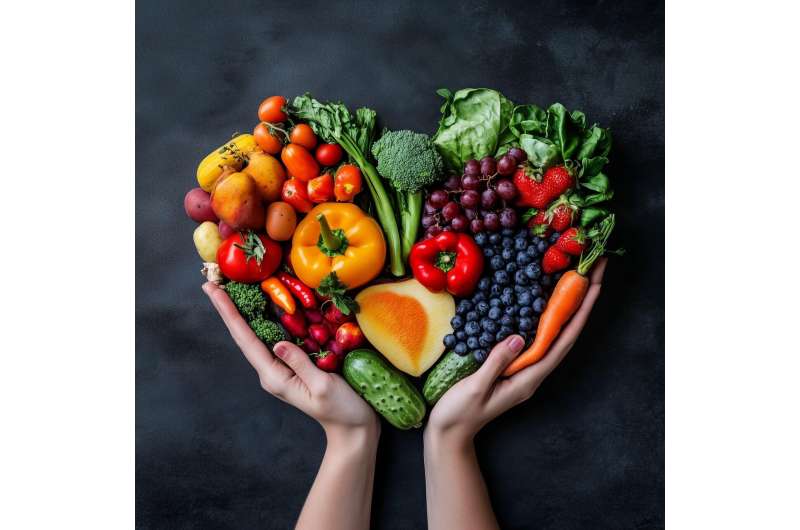
Credit: Pixabay/CC0 Public Domain
A nutritious diet is one of the key ways to stay physically and mentally fit.Research suggestsit may reduce your risk of developing various conditions, including type 2 diabetes, heart disease, and certain cancers. Diet may also help protect againstdepressionand other mental health concerns.
But for some people, eating so-called "clean" foods can become an obsession. And social media can exacerbate this.
So what is "clean eating"? And when could it be harmful?
A concerning trend
The term "clean eating" refers to a collection ofeating behaviorsthat are highly focused on "proper nutrition." These behaviors can become obsessive, as they are often based on restrictive eating patterns and avoiding foods considered to be "unhealthy" or "impure."
Clean eating has gained traction in the nutrition space, particularly onsocial media. Platforms such asInstagramand TikTok have popularized messages about avoiding processed products and only eating "pure" foods.
However, these messages most often come from wellness influencers, not health-care professionals. This means the line between balanced nutrition and overly restrictive eating practices is becomingincreasingly blurred.
The difference between 'clean eating,' disordered eating and having an eating disorder
The general concept of clean eating is not inherently harmful. However, it may become a problem if a person's eating habits are bound by strict rules and are tied to their self-worth. As a result, they may feelanxious or guiltyif they eat so-called "impure" or "unhealthy" foods.
Disordered eatingis a broad term for problematic eating behaviors that don't meet the clinical criteria for an eating disorder diagnosis. However,disordered eatingcan still negatively impact physical and psychological health. For example, it can involve skipping meals, chronic dieting, binge eating, compulsive exercise, body image concerns, and an intense preoccupation with food.
Aneating disorderis a clinically recognized mental illness that persistently and negatively affects eating behaviors and related thoughts about food, body weight, or body shape. Eating disorders can have serious impacts on physical and mental health and, in some cases, can even belife-threatening. Examples include anorexia nervosa, bulimia nervosa, binge eating disorder, and avoidant/restrictive food intake disorder.
Orthorexia nervosa—defined as an excessive preoccupation with healthy eating—is not recognized formally as an eating disorder. However, it is associated with the "clean eating" movement. People with orthorexia nervosa may create very strict rules about eating which, if broken, can negatively affect their physical health, social relationships, and overall quality of life.
Research suggests various factors may interact in complex ways to contribute to disordered eating. Genetics, dieting, personality traits such asperfectionism, anxiety, body image concerns, social pressures, family experiences, and exposure to appearance-focused messages can allpotentially increasea person's risk of disordered eating.
These factors interact differently in each person, meaning some people may be more vulnerable to developing disordered eating than others. However, researchers are yet to fully understand these interactions.
When 'clean eating' goes too far
Clean eating can become harmful if it becomes obsessive.
Some patterns thatcan be associatedwithunhelpful relationshipswith food and eating are:
How can I help a loved one who may be struggling?
Here are five practical ideas:
If you or a loved one are concerned about your relationship with food or your body, you can contact theButterfly Foundationon 1800 33 4673 or through their online chat.
If you would like to join a global research network focused on better understanding eating disorders and related issues, visit theConsortium for Research in Eating Disorders.
This article is republished fromThe Conversationunder a Creative Commons license. Read theoriginal article.
Key medical concepts Disordered Eating Anorexia Nervosa Binge-Eating Disorder







Post comments