




































by Physicians Committee for Responsible Medicine
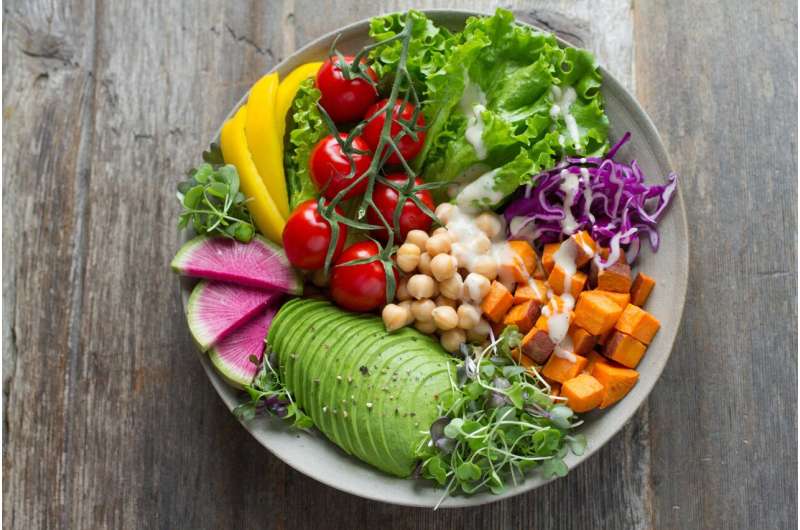
Credit: Unsplash/CC0 Public Domain
Nearly half of U.S. adults say starting a new diet is one of their New Year's resolutions, according to a new Physicians Committee for Responsible Medicine/Morning Consultsurvey.More than 80% of respondents said the cost of groceries is important when choosing a weight-loss plan, but only 6% say they'll try a plant-based or vegan diet, which research shows is among the least expensive and most effective for losing weight and keeping it off.
The poll included 2,201 women and men interviewed Dec. 2–3. When asked which diets they plan to try, 42% said they are going to attempt to eat fewer calories, while 28% said they'll go on a low-carbohydrate diet, such as keto, Atkins, or South Beach. Just 6% plan to begin eating a plant-based diet despite evidence that shows it's not only effective, but also less expensive, better for the environment, and provides protection from a variety of diseases.
Obesity and overweight have become chronic health problems in the United States. Data shows that in23 states, more than 1 in 3 adults is obese. And across the country, 3 out of 4 adults are obese or overweight.
Barnard Medical Center Clinical Director Vanita Rahman, MD, says, "Fad diets are not the solution. Those interested inlosing weightshould consider a plant-based plan. It's an evidence-backed way of eating that's not intended as a temporary quick fix. It's a lifestyle that promotes the shedding of excess pounds, can reverse or prevent many diseases, and reduce grocery costs."
Research supports this.
"A lot of people start the year by trying to eat less, but strict calorie cutting isn't something most of us can keep up with," said Xavier Toledo, a registered dietitian with the 17,000-doctor-member Physicians Committee. "When meals focus on whole plant-based foods, you can eat to comfortable fullness and still support healthy, steady weight loss.
"A good way to get started," he said, "is to make simple swaps. Try replacing beef with beans, leaning on whole foods like grains, vegetables, and lentils, and choosing produce that's in season. These changes can support healthy weight loss and help keep grocery costs down."
Journal information: JAMA Network Open
Provided by
Physicians Committee for Responsible Medicine











Post comments