




































by Lauren Coskerie,Western Sydney University
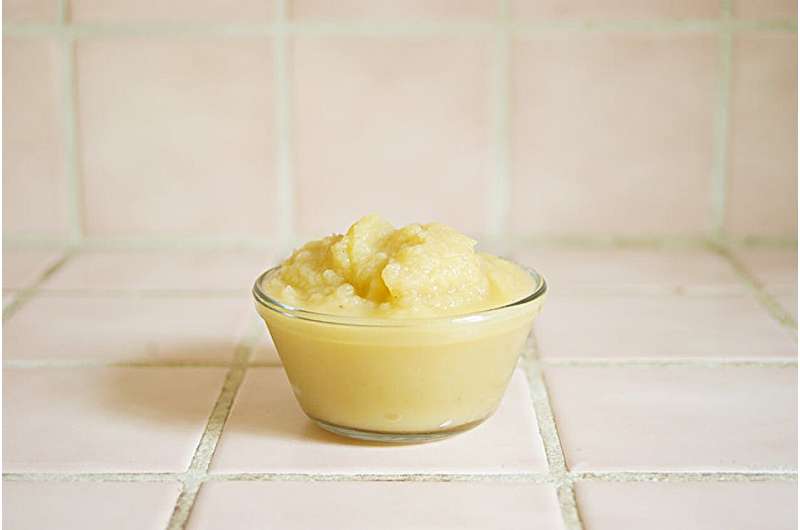
Credit: Rachel Loughman/Pexels
New research from Western Sydney University has revealed squeeze pouch products are a popular choice for school lunchboxes, despite their low nutritional value.
The study surveyed 343 parents of children aged 0–17, revealing 73.8% of children have consumed food from commercial squeeze pouches in the past 12 months, and around half consumed them weekly or more.
Frequent usage was highest among children aged 0–5, and in families where parents have two or more children, with fruit and dairy-based pouches the most frequently consumed. The results arepublishedin theJournal of Human Nutrition and Dietetics.
Co-author of the study Dr. Catharine Fleming, from the University's School of Health Sciences and Translational Health Research Institute, said the research found younger parents, middle-income families, and those reportingtime constraintswere more likely to opt for commercial squeeze pouches as a meal or snack option for their children, even into adolescence.
"We know parents are busy, and what was once marketed as 'baby food' has now expanded, targetingolder childrenand adolescents for inclusion in lunchboxes or as an on-the-go snack," said Dr. Fleming. "In school-aged children we found 74% had consumed dairy-based pouches within the last 12 months.
"Many parents are potentially unaware that these products have low nutritional value, so it's essential we educate parents and help them better navigate supermarket aisles, given we see these products have found a regular place in the daily diet of many children across Australia."
Prolonged use of pureed foods and delaying the introduction of lumpy textures beyond the age of 9 months have been associated with feeding difficulties in older children and a lower intake of nutritious foods, such as vegetables and fruit, said co-author Dr. Katherine Kent, from the University of Wollongong and adjunct researcher at Western Sydney University's School of Health Sciences and Translational Health Research Institute.
"While the health impacts of regular squeezepouchconsumption in childhood remain under‐researched, the frequent consumption of commercial squeeze pouches beyond infancy may be associated with poorer nutrition and health outcomes, as the products may displace more nutritionally adequate, age‐appropriate foods, and increase snacking behaviors in older children," said Dr. Kent.
"These pouches could increase the already concerning levels of poor whole vegetable and fruit consumption inearly childhood, which has been associated with poorer diet quality andhealth outcomesthroughout the life course."
The research team calls for greater regulations of these products to protectparentsand children from misleading front-of-packet labeling and poor nutrient composition.
More information: Katherine Kent et al, Predictors of Frequent Commercial Squeeze Pouch Consumption Among a Sample of Australian Infants, Children, and Adolescents, Journal of Human Nutrition and Dietetics (2025). DOI: 10.1111/jhn.70138
Provided by Western Sydney University











Post comments