



































by Daryl Lovell,Syracuse University
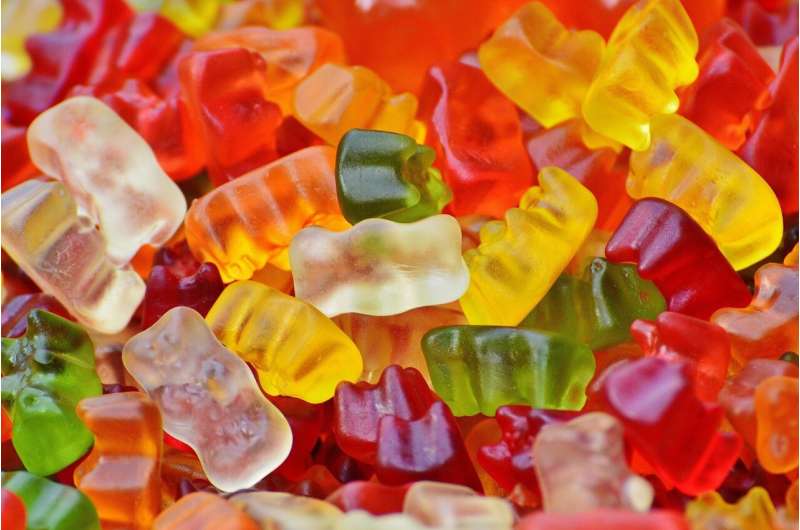
Credit: Pixabay/CC0 Public Domain
Nutrition and food studies professor Maryam Yuhas shares what to know about artificial ingredients as you set healthier eating goals for 2026.
As Americans prepare New Year's resolutions focused on healthier eating, grocery store aisles are undergoing a major transformation—and understanding what's in your food has never been more important.
Synthetic food dyes, petroleum-based colorings like Red Dye 40, Yellow 5 and 6, and Red Dye 3, have been added to foods for visual appeal. Now major companies have until 2027–28 to phase them out following FDA guidance.
"Food dyes are not toxic to your body immediately," explains Falk College of Sport nutrition professor Maryam Yuhas, a registered dietitian whose research focuses on childhood obesity and nutrition interventions in underserved communities. "What we're concerned about withfood dyesis neurodevelopmental effects and behavioral effects in children."
The science shows a genetic component—not all children react, but enough do that other countries have banned these ingredients.
However, Yuhas cautions that reformulations may bring trade-offs. "While food dye doesn't really affect taste, companies may use this as an opportunity to add more sugars and fats to foods to make them taste more appealing."
She's particularly concerned about equity: ultra-processed foods with dyes cluster in low-income communities because they're cheaper and more shelf-stable.
Yuhas's advice? Focus on overall diet quality—watching not just dyes, but sugar, saturated fats, protein and fiber content too.
Key medical concepts Neurodevelopmental Disorders Food, Processed
Provided by Syracuse University










Post comments