





























94

Ophthalmology
Focus on eye health and related diseases.
Sub Categories on Ophthalmology
Latest Articles
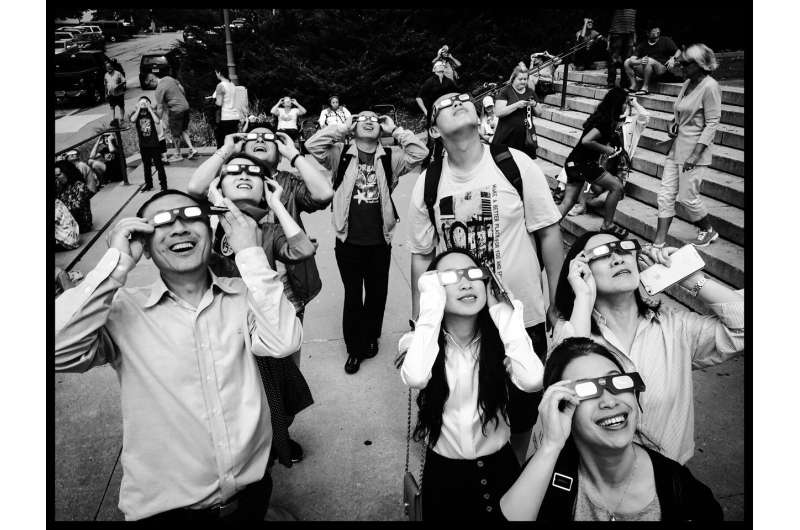
Solar eclipse: Glasses are key says ophthalmologist

Solar eclipse: Glasses are key says ophthalmologist

by Adriana Pérez, Chicago TribuneCredit: Pixabay/CC0 Public DomainNicole Bajic was completing her medical residency at the University of Chicago when she briefly ducked out between surgery training cl

Solar eclipse: Glasses are key says ophthalmologist

by Adriana Pérez, Chicago TribuneCredit: Pixabay/CC0 Public DomainNicole Bajic was completing her medical residency at the University of Chicago when she briefly ducked out between surgery training cl
Field of vision data helping to track health outcomes

Field of vision data helping to track health outcomes

byUniversity of Western AustraliaOverview of the data extraction process from the Humphrey Field Analyzer machines. Credit:Clinical & Experimental Ophthalmology(2024). DOI: 10.11

Field of vision data helping to track health outcomes

byUniversity of Western AustraliaOverview of the data extraction process from the Humphrey Field Analyzer machines. Credit:Clinical & Experimental Ophthalmology(2024). DOI: 10.11
DNA damage is key factor in age-related macular degeneration, study finds

DNA damage is key factor in age-related macular degeneration, study finds

byUniversity of California, IrvineErcc1 deficiency alters retinal structure and increases senescence markers in neural retina. Credit:Aging Cell(2024). DOI: 10.1111/acel.14419A resea

DNA damage is key factor in age-related macular degeneration, study finds

byUniversity of California, IrvineErcc1 deficiency alters retinal structure and increases senescence markers in neural retina. Credit:Aging Cell(2024). DOI: 10.1111/acel.14419A resea
Prevalence of uncorrected refractive error 14.6 percent in Black Americans, finds study

Prevalence of uncorrected refractive error 14.6 percent in Black Americans, finds study

by Elana GotkineOverall, 14.6 percent of African Americans aged 40 years and older have uncorrected refractive error (UCRE), according to astudypublished online Feb. 22 inJAMA Ophtha

Prevalence of uncorrected refractive error 14.6 percent in Black Americans, finds study

by Elana GotkineOverall, 14.6 percent of African Americans aged 40 years and older have uncorrected refractive error (UCRE), according to astudypublished online Feb. 22 inJAMA Ophtha
Stem cell transplants repair macular holes in primate study

Stem cell transplants repair macular holes in primate study

byCell PressCredit: Pixabay/CC0 Public DomainHuman stem cell transplants successfully repaired macular holes in a monkey model,researchers reportOctober 3 in the journalStem Ce

Stem cell transplants repair macular holes in primate study

byCell PressCredit: Pixabay/CC0 Public DomainHuman stem cell transplants successfully repaired macular holes in a monkey model,researchers reportOctober 3 in the journalStem Ce
Should my child get contact lenses? Pediatric ophthalmologist offers advice

Should my child get contact lenses? Pediatric ophthalmologist offers advice

by Douglas R. Fredrick MD, FAAP, American Academy of PediatricsCredit: Unsplash/CC0 Public DomainFor children with poor vision caused by refractive errors (problems with focusing), glasses are often t

Should my child get contact lenses? Pediatric ophthalmologist offers advice

by Douglas R. Fredrick MD, FAAP, American Academy of PediatricsCredit: Unsplash/CC0 Public DomainFor children with poor vision caused by refractive errors (problems with focusing), glasses are often t
Revitalizing vision: Metabolome rejuvenation can slow retinal degeneration

Revitalizing vision: Metabolome rejuvenation can slow retinal degeneration

byColumbia University Irving Medical CenterDifferent stages of retina degeneration in two people with RP. Credit: Photos provided by Stephen Tsang.Gene therapy may be the best hope for curing re

Revitalizing vision: Metabolome rejuvenation can slow retinal degeneration

byColumbia University Irving Medical CenterDifferent stages of retina degeneration in two people with RP. Credit: Photos provided by Stephen Tsang.Gene therapy may be the best hope for curing re
Stem cell shots: Unveiling a safer way to treat inflammatory eye diseases

Stem cell shots: Unveiling a safer way to treat inflammatory eye diseases

Stem cell shots: Unveiling a safer way to treat inflammatory eye diseasesbyFujita Health UniversityResearchers from Japan have found that treatment with mesenchymal stromal cells (MSCs) increase

Stem cell shots: Unveiling a safer way to treat inflammatory eye diseases

Stem cell shots: Unveiling a safer way to treat inflammatory eye diseasesbyFujita Health UniversityResearchers from Japan have found that treatment with mesenchymal stromal cells (MSCs) increase
Free eye disease screening program engages high-risk adults

Free eye disease screening program engages high-risk adults

by Elana GotkineA novel free eye disease screening program is engaging adults at high risk for eye disease who are underusing eye care services, according to a studypublishedonline Aug. 22

Free eye disease screening program engages high-risk adults

by Elana GotkineA novel free eye disease screening program is engaging adults at high risk for eye disease who are underusing eye care services, according to a studypublishedonline Aug. 22
Producing tears in a dish: Researchers develop first model of human conjunctiva

Producing tears in a dish: Researchers develop first model of human conjunctiva

by Hubrecht InstituteUnder allergy-like conditions, the number of mucus-producing cells increases. Credit: Marie Bannier-Hélaouët, copyright: Hubrecht Institute.The Organoid group at the Hubrecht

Producing tears in a dish: Researchers develop first model of human conjunctiva

by Hubrecht InstituteUnder allergy-like conditions, the number of mucus-producing cells increases. Credit: Marie Bannier-Hélaouët, copyright: Hubrecht Institute.The Organoid group at the Hubrecht
Lab-grown retinas explain why people see colors dogs can't

Lab-grown retinas explain why people see colors dogs can't

by Johns Hopkins UniversityRetinal organoid marked to show blue cones in cyan and green/red cones in green. Cells called rods that help the eye see in low-light or dark conditions are marked in m

Lab-grown retinas explain why people see colors dogs can't

by Johns Hopkins UniversityRetinal organoid marked to show blue cones in cyan and green/red cones in green. Cells called rods that help the eye see in low-light or dark conditions are marked in m