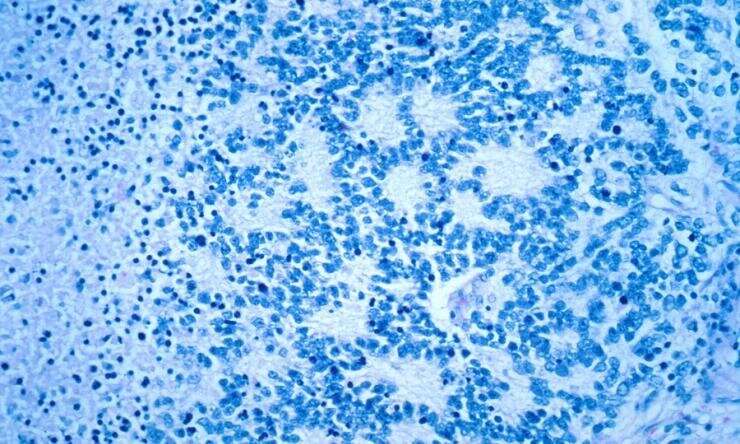









by Molly Chiu,Baylor College of MedicineThe image shows magnified neuroblastoma cells. Credit: Baylor College of MedicineNeuroblastoma, a childhood cancer that develops from neural cells on the
byInstitute of Cancer ResearchCredit: Pixabay/CC0 Public DomainCancer cells can shrink or super-size themselves to survive drug treatment or other challenges within their environment, researcher
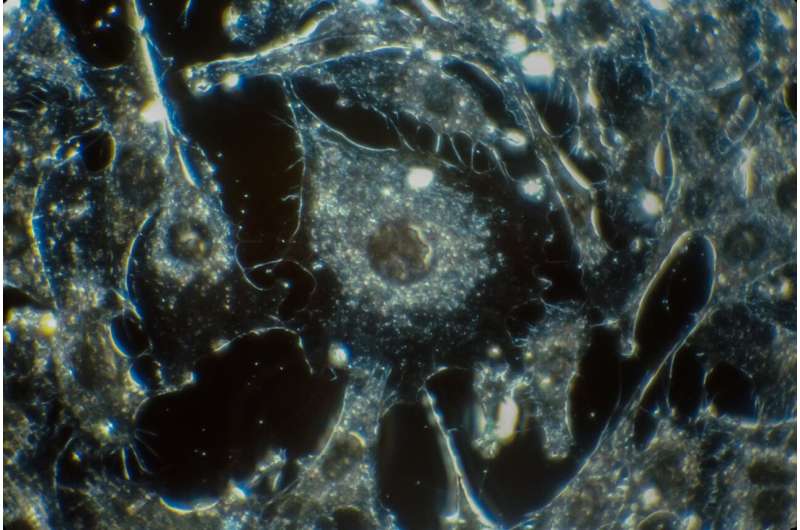
byKarolinska InstitutetCredit: Unsplash/CC0 Public DomainIn recent years, there have been rapid advancements in the field of computational pathology, which refers to the application of computati
(HealthDay)—Accelerated partial breast irradiation (APBI) delivered twice per day over one week to the tumor bed is noninferior to whole breast irradiation for preventing ipsilateral breast tumor recu
by Cancer CouncilCredit: CC0 Public DomainNew research by the Daffodil Center, a joint venture of Cancer Council NSW and the University of Sydney, shows the rate of obesity-related cancers in Australi
by Cara MurezBile duct and gallbladder cancers develop in organs deep inside the body, making them difficult to detect.Knowing the signs of these rare cancers may help with earlier detection.Gallbladd
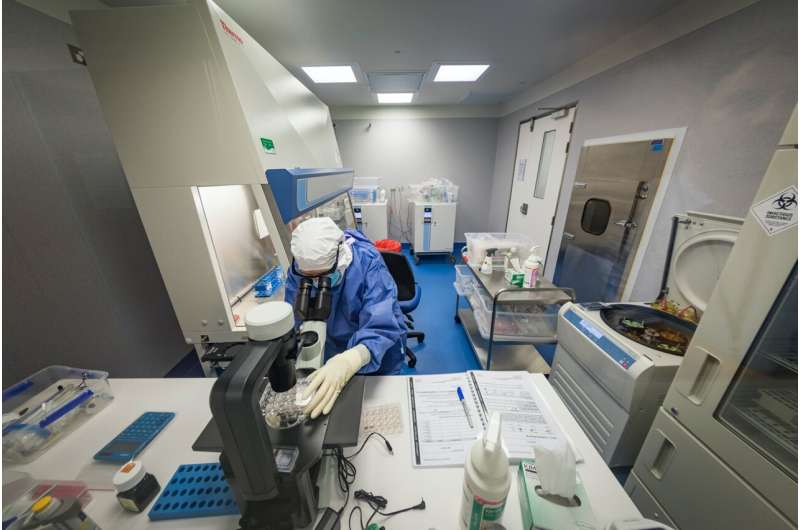
byMalaghan Institute of Medical ResearchMalaghan Institute GMP lab where CAR T-cells were manufactured for the phase 1 trial. Credit: Malaghan Institute of Medical ResearchThe Malaghan Institute
by Lauren Ball,The ConversationCredit:Matilda Wormwood/PexelsScurvy is often considered a historical ailment, conjuring images of sailors on long sea voyages suffering from a lack of fresh
byUniversity of California - San DiegoEzra Cohen, MD, UC San Diego Health physician scientist, administered the first-of-its-kind personalized cancer vaccine to Tamara Strauss, while Aaron Mille
An international Phase 3 clinical trial found that metastatic colorectal cancer patients with a rare genetic tumor mutation called KRAS G12C experienced superior progression-free survival rates compar
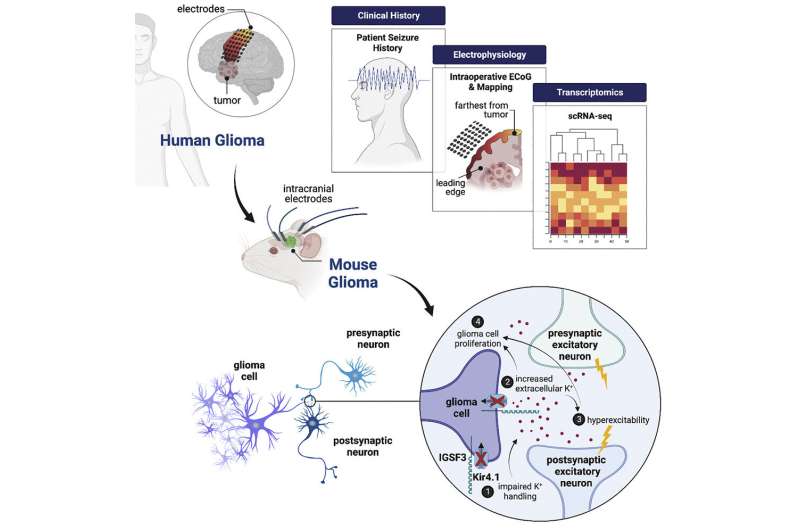
by Graciela Gutierrez,Baylor College of MedicineGraphical abstract. Credit:Neuron(2023). DOI: 10.1016/j.neuron.2023.01.013Glioma is one of the most aggressive malignant primary brain